Note: this post was originally published on the FORM Coalition blog in January 2021. Since then, Strong Towns has launched their Housing Ready Cities resource, which includes these three policy initiatives as well as three others that together make it easier to build more homes on a local level.
Here are three things every city can do to help make it easier to build more affordable homes:
1. Eliminate minimum lot size requirements
- Minimum lot sizes are an outdated holdover from single-family zoning, designed to space houses apart from each other and avoid density. Green space has been shown to be essential to public health and wellness, but instead of prescribing a minimum lot size, require a percentage of open, green space. Let the market drive unit size and quality design–look up cottage cluster housing for some inspiration.
2. Legalize up to four units on any residential lot
- Why four? Financing. Multi-family homes up to four units can be purchased with a conventional mortgage. Once you hit five units, you’re in commercial real estate territory.
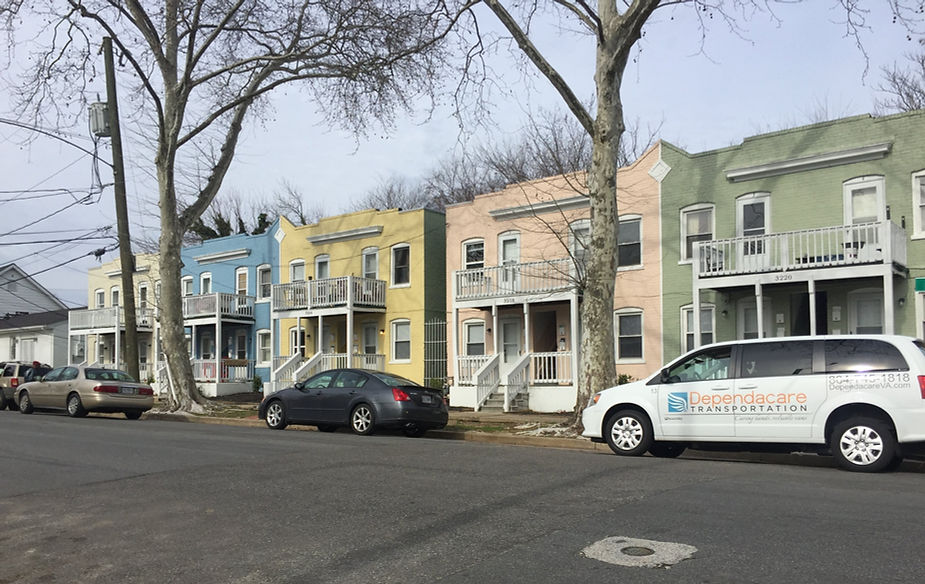
- Also, four units is a nice, inoffensive scale for many urban American neighborhoods. My own city of Richmond has fourplexes sprinkled throughout its most desirable neighborhoods; your city probably does too. Check out missingmiddlehousing.com for some more charming examples.
3. Eliminate minimum parking requirements
- Minimum parking requirements drive up the cost of a project and therefore rents by reducing the amount of leasable space on a parcel. Not all neighborhoods are equal in their need for parking–factors like walkability, access to daily essentials, and quality of public transit will allow more people to opt out of driving, or reduce the number of cars they own. Let the market drive the demand for parking spaces.
American cities of all sizes and stripes are facing affordable housing shortages, many at crisis levels. There are many reasons for this, but one of them has to do with the way that our zoning laws were written and enacted throughout the middle of the 20th century. In most of the US, it’s effectively illegal to build anything other than a single-family home in many residential zones.
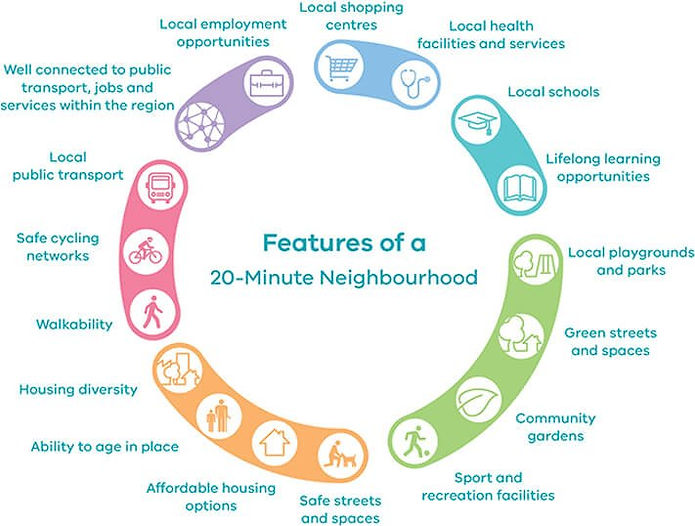
The result is the world we inhabit today: large swaths of single-family homes not within walking distance of basic amenities like grocery stores, libraries, post offices, schools, shopping, and entertainment. As American culture has seen a surge in popularity and desirability of walkable urban neighborhoods, it’s become clear that there’s not enough housing in these neighborhoods to meet the demand.
Here’s the rub: in nearly every municipality in the US, those zoning laws are still in place. So, while duplexes and quadplexes may still exist because they are “grandmothered” in, you can’t build new ones without asking the city for an exception to the zoning laws, which means added time and expense. Added time and expense means the project costs more, which means it has to sell or rent for more, so you end up with either A. “missing middle” housing at a high price point relative to its market context, or B. another large single-family home that can be built “by right.” In either case, new housing is more expensive than it otherwise needs to be, either because of the cost to execute the project or because of sheer square footage.
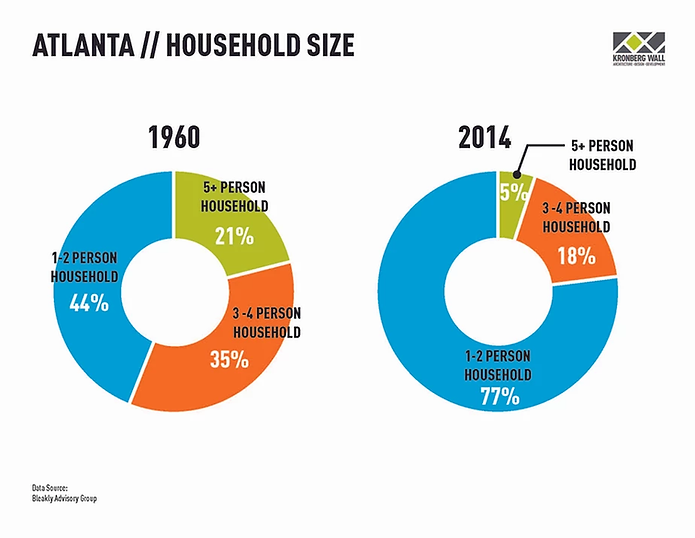
Common sense tells us that larger homes are generally more expensive than smaller ones in the same market. However, family sizes are smaller than they were 50 years ago. The average American household size in 1960 was 3.29 people; in 2019 it was 2.61 (in Richmond it went from 3.3 to 2.37 over a similar time period). In Kronberg Urbanists + Architects’ analysis of their own Atlanta market, they discovered that a staggering 77% of households are made up of 1 or 2 people (as of 2014). Building smaller homes means we can build more homes and house more people in the same area than if we are building large homes. It also means that the homes are more affordable, relative to larger homes in the same market.
In summary: to build smaller, more affordable homes in urban neighborhoods, get rid of minimum lot size requirements, allow up to four units on any residential lot, and eliminate parking minimums. It won’t solve all of our urban housing problems, but it will make it easier to build quality, affordable housing in desirable neighborhoods.
Sources & More Reading:
Minimum Requirements for Lot and Building Size, American Planning Association (APA)
The Affordable Housing Crisis Explained, Curbed
Cities Start to Question an American Ideal: A House With a Yard on Every Lot, New York Times
Richmond 300: Land Use, Housing, & Demographic Analysis
Housing Choice & Healthy Neighborhood Development, Kronberg Urbanists + Architects
 Jodi Dubyoski